

Most districts already issue student IDs, but many only use them for visual identification. That means a credential students already carry may be underused across the services, spaces, and workflows that shape the school day.
Every district’s ID program will look a little different. The strongest programs align student IDs with the systems, policies, and procedures already in place, whether that means supporting access, transportation, meals, attendance, library services, events, emergency readiness, or other daily workflows.
When used consistently, a student ID can become a simple, familiar credential that supports safety, service delivery, accountability, and better operational visibility. Districts do not have to activate every use case at once. They can start with the workflows that matter most, build consistent habits, and expand over time.
The examples below show how districts can make one student ID more useful across the school day.

Student IDs can support entry at designated doors, offices, secure areas, or other controlled campus touchpoints.
Why it matters:
Campus access is often where student ID expectations begin. When students are expected to carry and use their ID at key entry points, districts can reinforce safety, accountability, and consistency without relying only on visual checks or manual processes.

Student IDs can support bus boarding, ridership workflows, and transportation-related check-ins.
Why it matters:
Transportation is one of the most important parts of the school day, but it can also be one of the hardest to see clearly. ID-based workflows can help districts better understand participation, route activity, and student interactions at defined service points.

Student IDs can help students move through cafeteria lines more efficiently and support meal account or eligibility workflows.
Why it matters:
A familiar credential can reduce manual lookup, support faster service, and make meal participation easier to manage. It also helps make the student ID part of a daily routine students already understand.

Student IDs can support attendance workflows for homeroom, multiple class periods, check-ins, or other district-defined attendance processes.
Why it matters:
For schools with multiple periods, large student populations, or frequent transitions, ID-based attendance can help reduce the time staff spend on manual processes. It can also create a more consistent way to confirm that students are present where they are expected to be.

Student IDs can simplify library checkout, resource access, and student account lookup.
Why it matters:
Library use is a natural, low-friction way to build student ID habits. When students use the same credential to check out materials or access resources, the ID becomes part of normal campus activity rather than something used only for security.

Student IDs can support entry for school dances, athletic events, assemblies, club activities, testing sessions, or other student events.
Why it matters:
Event-based ID use can help staff confirm eligibility, streamline entry, and better understand participation in student life. It can also create a more consistent process for managing access to activities outside of the average school day.

Student IDs can support check-in workflows for the nurse, counseling office, student services, or other designated support areas.
Why it matters:
These touchpoints are important, but they may rely on manual sign-in sheets or inconsistent processes. ID-based check-ins can help create a more consistent experience for students and staff while giving districts better visibility into how support services are being used.

Student IDs can support structured check-in and check-out processes for hall passes, office visits, testing spaces, tutoring areas, learning labs, or other supervised locations.
Why it matters:
The goal is not continuous tracking. It is giving districts a consistent way to capture specific interactions at designated touchpoints. When students use their ID for defined check-ins, schools can better understand how certain spaces and workflows are being used.

Student IDs can support checkout for laptops, tablets, hotspots, textbooks, instruments, athletic equipment, uniforms, or other district-owned resources.
Why it matters:
A student ID can connect the student to the resource transaction, helping staff manage accountability and reduce friction. This can be especially valuable when multiple departments are responsible for issuing or collecting materials.
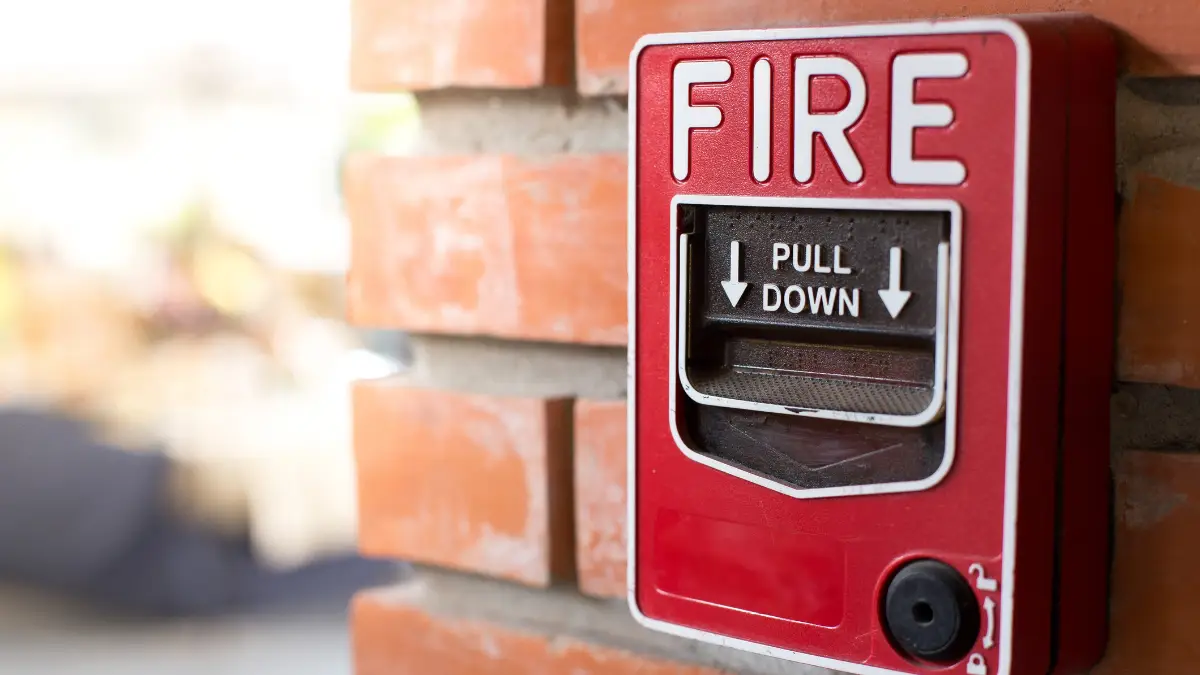
Student IDs can support emergency drills, reunification procedures, check-ins, or other accountability processes.
Why it matters:
During drills or actual emergencies, districts need clear processes for quickly confirming where students are and who has been accounted for. Student IDs can support those procedures by giving staff a familiar credential to use during high-pressure situations.
A student ID program becomes more valuable when it is connected to the real moments that make up the school day. Campus access, transportation, meals, library services, events, student support, and emergency procedures all represent opportunities to make daily workflows more consistent and visible.
Over time, these interactions can help districts move beyond simply issuing IDs and toward understanding how credentials are actually being used. That visibility can support better decisions about adoption, staffing, resources, service delivery, and future program expansion.
The most effective approach is to start with a clear priority, build consistent habits, and expand intentionally. When student IDs become part of the school day, they can become more than identification. They can become a foundation for better-informed district operations.

CI Solutions can help your team launch and manage a multi-use student ID program that supports key campus services like transportation, meal service, and more.